Acrylic coasters make a strong first impression at a boardroom table, hotel bar or product launch because they look clean, polished and deliberately branded. But are acrylic coasters good once they are put to work under cold glasses, coffee cups and regular hospitality use? For many Australian businesses and events, the answer is yes – provided the material, finish and artwork are matched to the job.
They are not the right choice for every venue or budget. Acrylic has a more premium, contemporary appearance than cardboard, but it needs considered handling and care to keep that clear, glossy finish looking its best. Understanding the trade-offs before production helps you order a coaster that represents your brand well long after the event has finished.
Are acrylic coasters good for everyday use?
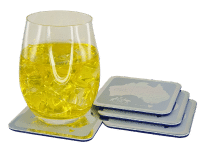
Acrylic is a rigid plastic sheet material with a glass-like clarity and substantially less weight than glass. It creates a smooth, flat surface for drinks and can be cut into standard squares, circles, rounded shapes or a custom silhouette that supports a logo or campaign theme.
For offices, reception areas, promotional packs, corporate gifts, weddings and special events, acrylic is an excellent option. It feels more substantial than a disposable coaster and gives printed artwork a crisp, modern presentation. A clear acrylic coaster can also let the tabletop show through, making the design appear lighter and less cluttered than a fully printed product.
In a busy pub, club or restaurant with constant drink turnover, acrylic can still work well, although it is not always the most practical material. Dropped coasters may chip or crack, and the glossy surface shows scratches more readily than rubber or cork. For heavy-duty service environments, recycled tyre rubber, PVC rubber or stainless steel may offer better long-term resilience. The best material is the one that suits how the coaster will actually be used, not simply how it looks in a product photo.
The main strengths of acrylic
Acrylic’s standout advantage is presentation. It has a clean, professional finish that suits brands wanting to look contemporary, design-led or premium. Clear and frosted options can give logos room to breathe, while coloured acrylic can be matched to a campaign palette or event styling.
It is also water resistant. Condensation from a cold drink will not soak into the coaster, and a quick wipe removes most spills. That makes acrylic a practical choice for reusable promotional coasters where a paper or cardboard option would only be suitable for short-term use.
Print detail is another major benefit. Fine text, simple linework and full-colour artwork can look sharp when prepared correctly. Acrylic is particularly effective for bold logos, graphic patterns and designs that use white ink behind selected areas to make colours stand out on a transparent base.
Finally, the coaster itself can become part of the brand experience. A clear coaster printed with a venue logo feels considered on a restaurant table. A set with individual names, dates or a wedding monogram becomes a useful keepsake rather than an item guests leave behind.
Where acrylic has limitations
No coaster material is maintenance-free. Acrylic can scratch if it is rubbed against abrasive surfaces, stacked carelessly or cleaned with rough scourers. Clear acrylic makes fine marks more visible, particularly under direct lighting. Frosted or coloured finishes can be more forgiving where a coaster will receive frequent handling.
Heat is another consideration. Acrylic is suitable for cold drinks and everyday cups, but it is not the best choice for very hot cookware or items taken directly from an oven. If the intended use includes coffee mugs, it is sensible to discuss the expected temperature and backing options during quoting. A suitable non-slip backing can also help keep the coaster steady and protect the furniture beneath it.
Acrylic is not unbreakable. It is more impact-resistant than glass, but a sharp drop onto a hard floor or a knock against an edge can cause damage. This is less of a concern for desk sets, gifts and controlled event spaces than it is for a high-volume bar floor.
What makes a quality custom acrylic coaster?
The difference between an acrylic coaster that looks premium and one that feels like a short-lived giveaway often comes down to production details. Thickness matters. A thin coaster may be appropriate for a mail-out or large campaign where unit cost is the priority, while a thicker piece has more presence and better suits executive gifts, retail-style merchandise and hospitality tables.
The edge finish matters too. Cleanly cut, smooth edges make the coaster comfortable to handle and reinforce a professional standard. If a custom shape includes narrow points, small cut-outs or intricate lettering, the artwork should be assessed for practical production. A design can look excellent on screen but need minor adjustments to remain strong and durable once cut.
Printing should be chosen around the intended result. A design printed on the reverse side of clear acrylic can appear protected beneath the surface, creating depth and a polished appearance. Surface printing may suit particular visual effects, but it needs the right finish for the way the coasters will be handled. White ink is often essential for clear acrylic, as colours can look faint or change when placed over dark tabletops.
For branded projects, a free digital proof is valuable. It allows you to check logo position, print size, colour treatment, shape and any bleed before manufacturing begins. This is especially important when using transparent materials, because the final appearance is affected by what sits behind the coaster.
Choosing acrylic for your brand, venue or event
Acrylic coasters are a particularly good fit when visual impact is more important than maximum ruggedness. Consider them for corporate boardrooms, sales kits, agency presentations, showroom displays, VIP events, product launches, branded gift boxes, wedding tables and boutique accommodation. They signal care and can support a higher perceived value than a single-use coaster.
They can also be effective for hospitality venues with a carefully styled fit-out. A clear coaster with a restrained logo may complement marble, timber or stone tables without competing with the interior. In that setting, regular cleaning and sensible storage are part of maintaining the presentation.
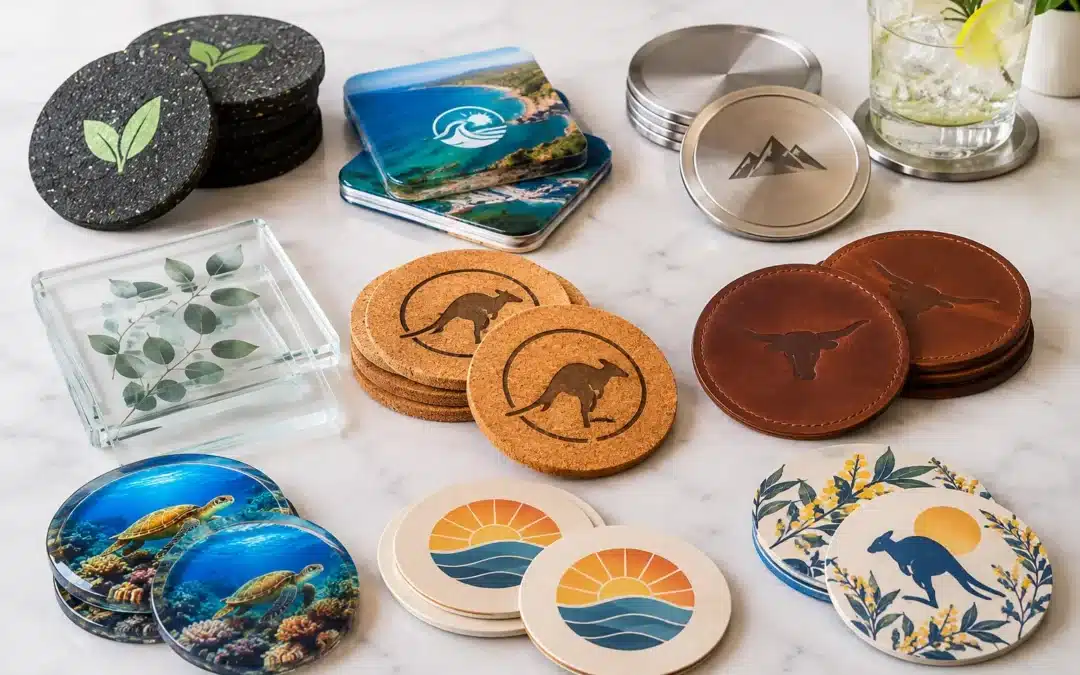
For a festival, sporting club event or high-volume activation, weigh the likelihood of loss and rough handling against the desired look. Cardboard coasters are often the economical choice for a one-night promotion. Recycled tyre rubber provides grip and durability for outdoor or active settings. Cork offers a natural, tactile feel. Acrylic sits in the middle as a reusable, high-visibility option where the finish is worth protecting.
Artwork tips that improve the final result
Simple artwork generally performs best. A high-resolution logo, clear brand colours and adequate spacing from the edge will produce a more confident result than an overcrowded design. Avoid making key text too small, especially if the coaster will be viewed across a table rather than held close.
Transparent backgrounds need extra thought. A dark logo may disappear against a dark table, while a pale logo may lose impact on a white tablecloth. Adding a white underprint, a coloured panel or a frosted section can solve this without losing the distinctive acrylic look.
If your branding includes a detailed illustration, gradient or photographic element, provide the best available artwork file early. A production team can advise whether it will reproduce cleanly at coaster size and recommend refinements before the order is locked in.
Care and cleaning for acrylic coasters
Acrylic coasters are easy to maintain when cleaned gently. Use a soft microfibre cloth with mild soapy water, then dry them to prevent water marks. Avoid abrasive pads, powder cleaners and strong solvents, which can dull the finish or create fine scratches.
For venues and businesses ordering reusable sets, storage is worth planning. Keep coasters flat, dry and separated where possible rather than loosely stacked with cutlery or other hard items. This small step helps preserve the clear surface between uses.
Is acrylic worth the cost?
Acrylic generally costs more than cardboard because it is a reusable rigid material that requires cutting and more specialised finishing. Whether it is worth the investment depends on the role the coaster plays in your campaign. If you need thousands of items for a brief event, the added cost may not deliver enough return. If you want an item that remains on desks, tables and coffee stations for months or years, acrylic can offer far greater brand exposure per unit.
The most effective order balances budget, artwork and use case. A well-produced acrylic coaster with the right thickness and print treatment looks intentional, lasts well in suitable conditions and gives customers something useful to keep. When the design and material are specified properly from the start, it does more than protect a table – it keeps your brand in view whenever a drink is served.