A coaster is a small item with a very public job. It sits beneath every coffee, cocktail, schooner or water glass your customer picks up. That is why choosing the right custom coaster supplier matters more than simply finding the lowest unit price. The material, print finish, artwork quality and delivery timing all shape how your brand is seen at the table, bar or event.
For a pub ordering high-volume beer coasters, the priority may be absorbency and cost per unit. For a premium spirits launch, weight, texture and a refined finish may matter more. A wedding planner may need a personalised design that complements the table setting, while a marketing team may need thousands of coasters delivered in time for a trade event. The best choice starts with being clear about the job the coaster needs to do.
What a custom coaster supplier should help you decide
A dependable supplier should do more than place a logo on a standard shape. They should help you match the product to its real-world use, budget and brand presentation. This is particularly useful when there are multiple decision-makers involved, such as venue managers, procurement teams and marketing staff.
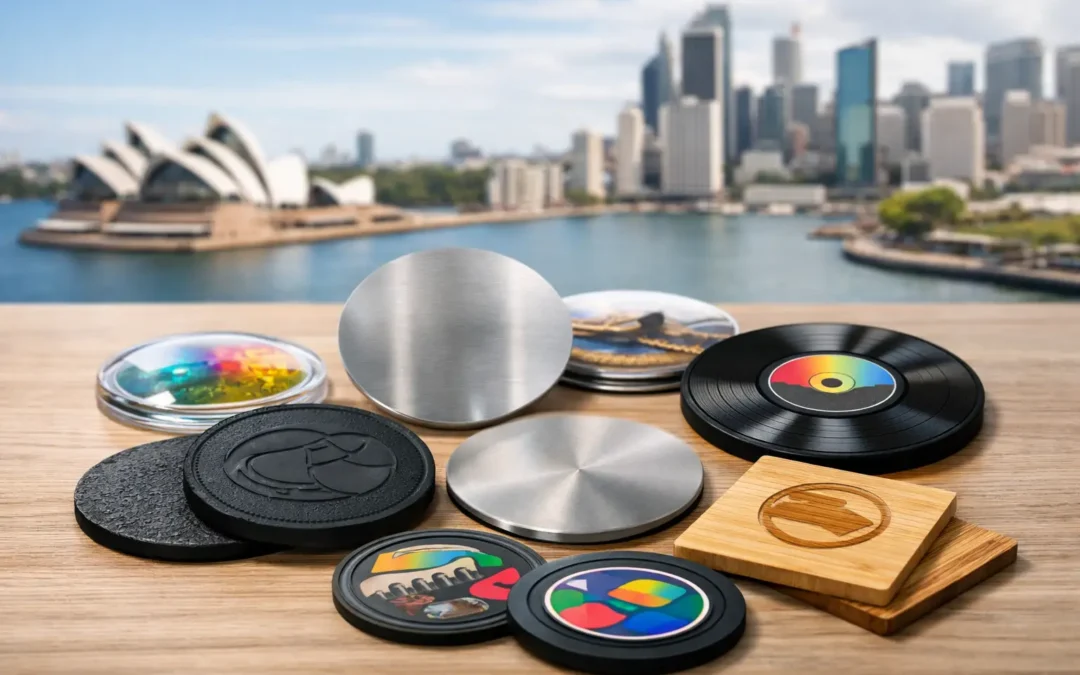
Start with the setting. Disposable cardboard coasters are a practical choice for busy bars, festivals, product sampling and large promotional runs. They are lightweight, absorbent and easy to distribute. Durable options such as acrylic, stainless steel, aluminium, glass, cork, leather, bamboo, resin and PVC rubber suit longer-term use, gifting, boardrooms, homewares and premium campaigns.
There is no single best material. A cardboard coaster may be ideal for a brewery promotion but unsuitable for a corporate gift pack. Glass can create a polished impression, although it requires more careful handling than cork or PVC rubber. Leather offers a premium look and feel, while bamboo can support a natural, considered presentation. A good supplier will explain these trade-offs clearly rather than pushing every project towards the same product.
Choose the material around the occasion
The material affects durability, print method, moisture resistance and the way customers interact with the item. It also affects the budget, so it is worth making this decision early.
For hospitality and high-volume promotions
Cardboard and pulpboard coasters remain popular because they work hard in busy environments. They absorb condensation, protect tables and keep your branding visible throughout a drink service. They are well suited to cafes, clubs, pubs, breweries, restaurants and short-term campaigns where a fresh coaster is used often.
For outdoor activations, poolside venues or areas where a more wipe-clean surface is needed, PVC rubber and acrylic can be more practical. These materials are generally more durable and can handle repeated use, although they may not offer the same absorbency as traditional cardboard.
For corporate gifts and premium venues
Stainless steel, aluminium, leather, cork, bamboo, resin and glass create a more permanent branded item. These options can be effective for executive gifts, settlement packs, staff recognition, cellar doors, boutique accommodation and high-end hospitality settings.
Premium does not always mean expensive. Cork and bamboo, for example, can deliver a warm, distinctive finish without the price point of some metal or glass products. The right option depends on the quantity, decoration method and desired presentation. Ask for advice based on your artwork and intended use, not material alone.
For events, weddings and personal occasions
Personalised coasters can bring a polished detail to weddings, milestone birthdays, engagement parties and private events. Names, dates, monograms, illustrations and event themes can all work well, but the design needs to remain readable at coaster size.
If guests will take them home, a durable material may make sense. If they are designed to style tables for one evening, a printed cardboard option can provide excellent impact while keeping the spend manageable.
Artwork support prevents costly surprises
A sharp logo on a computer screen can look very different once printed on a 90 mm coaster. Fine lines may fill in, small type can become difficult to read, and colours can vary between on-screen artwork and physical production. This is where design guidance has real value.
Provide the best artwork you have available, preferably a vector file for logos and simple graphic designs. If you only have a PNG, JPG or existing image, a professional supplier should review it and advise whether it is suitable. They should also flag issues before production, such as low resolution, a design positioned too close to the edge, or colours that may need adjustment for the selected print process.
A Free Digital Proof is a practical checkpoint, not just an administrative step. Review the spelling, phone numbers, dates, web addresses, logo version, colour direction and layout carefully. If several people need to sign off, nominate one final approver. Changes after production begins can cause delays and extra cost, particularly for custom-made orders.
Compare quotes on value, not unit price alone
When comparing a custom coaster supplier, an inexpensive quote can appear attractive until you discover it excludes setup, artwork changes, freight, GST or a finish you expected to be included. The most useful quote is clear about what you are receiving and when it will arrive.
Ask whether the quoted price includes decoration, setup costs, proofing and delivery. Confirm the quantity and whether the pricing changes at higher volume breaks. It is also sensible to ask about the expected production timeframe after proof approval, especially if your coasters are needed for an opening, launch date or event.
For large orders, price efficiency often improves as quantities increase. That does not mean ordering more than you can reasonably store or use. A seasonal venue may benefit from a larger run, while a campaign with a short promotion period may be better served by a quantity that matches planned distribution.
The cheapest option can be the right option when the campaign is short-lived and volume is the priority. For a long-term venue fit-out or client gift, investing in a more durable material may deliver better value because the coasters remain in use and visible for longer.
Questions worth asking before you approve production
Before moving ahead, confirm the practical details that protect your timeline and budget:
- Which material and print method best suits my venue, event or campaign?
- Is my artwork production-ready, and will I receive a digital proof?
- What is the turnaround time from approved proof to dispatch?
- Are setup, decoration, GST and freight included in the quote?
- Can the coaster be supplied in the required shape, size and quantity?
These questions are not about making the process complicated. They help prevent the common issues that cause disappointment later: artwork approved in a rush, unsuitable materials, unexpected charges or stock arriving after the event.
Why local service makes a difference
Custom manufacturing involves decisions, approvals and deadlines. Working with an Australian owned and operated supplier gives businesses and event organisers the benefit of local communication, familiar commercial expectations and support that is easier to access when a detail needs checking.
Experience also matters when a project is not straightforward. A venue may need coasters that align with existing tableware. A club may require a cost-effective member giveaway. A national campaign may need consistent branding across a high-volume run. Suppliers with broad promotional product experience can help turn those requirements into a practical specification rather than leaving the customer to guess.
Drink Coaster combines material choice, professional design support, Free Digital Proofs and fast turnaround options for organisations and individuals who need custom-made coasters without unnecessary complexity. The focus should always be on a result that looks right in the hand and performs properly once drinks are on the table.
The strongest branded coasters do not need to demand attention. They earn it through a clear design, suitable material and a finish that feels considered. Start with the occasion, give your artwork the time it deserves, and choose a supplier prepared to guide the details through to delivery.